We will be closed Saturday (1/24) - Monday (1/26) due to inclement weather.

The importance of curb appeal is nothing new to people looking to sell their home, especially in Northwest Arkansas. In an increasingly buyer-researched shopping experience, the first impression your home makes to potential buyers heavily dictates whether your property is even visited by realtors and their clients.
A study at Virginia Tech found that curb appeal is so important, in fact, that when done well, it can increase the sale price of your home by up to 15% of your list price. But what does that look like in NWA? How do you do it without breaking the bank?
Westwood Gardens has the inside track on top tips to grow your home’s curb appeal and your sale’s value with ease.
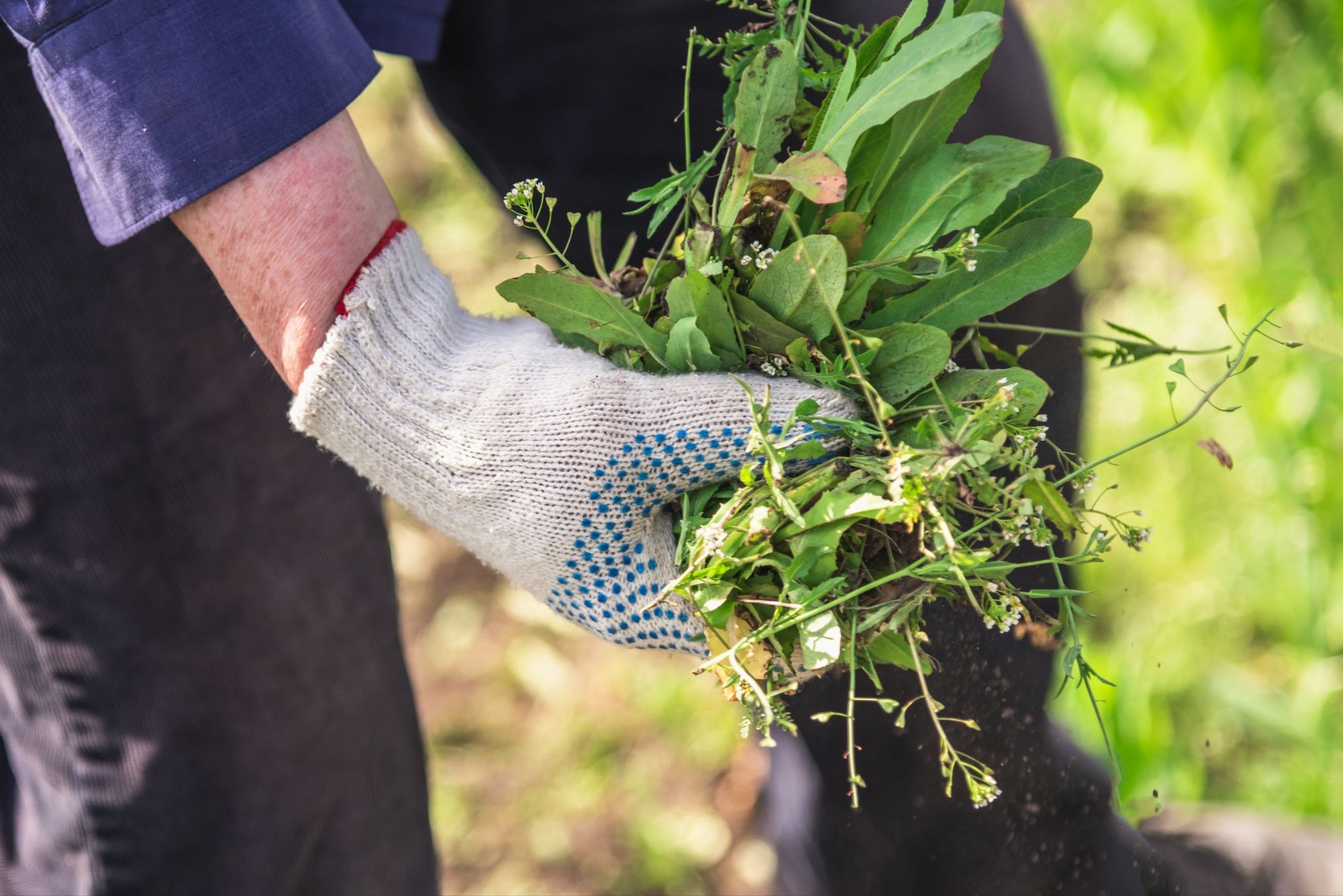
Before you spend a single dollar on plants, spend an afternoon on this. A clean, well-edged yard signals to buyers that the property has been looked after. It's the difference between a yard that looks cared-for and one that just has flowers in it.
Start with the basics: pull the weeds, edge your beds, and cut the grass. Then take a fresh look. Are your existing beds clearly defined? Is there bare soil showing? Does the mulch look grey and tired?
Fresh mulch is one of the highest-ROI moves in landscaping prep. It's inexpensive, takes a few hours to spread, and it makes every plant in the bed look like it was just installed. Don't skip it.
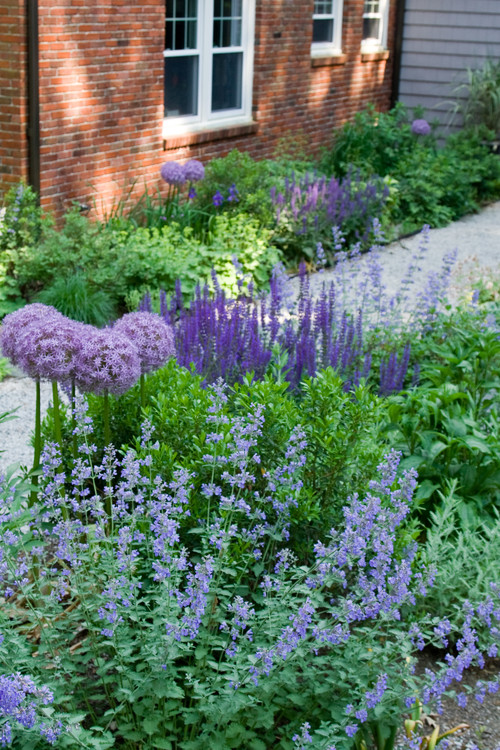
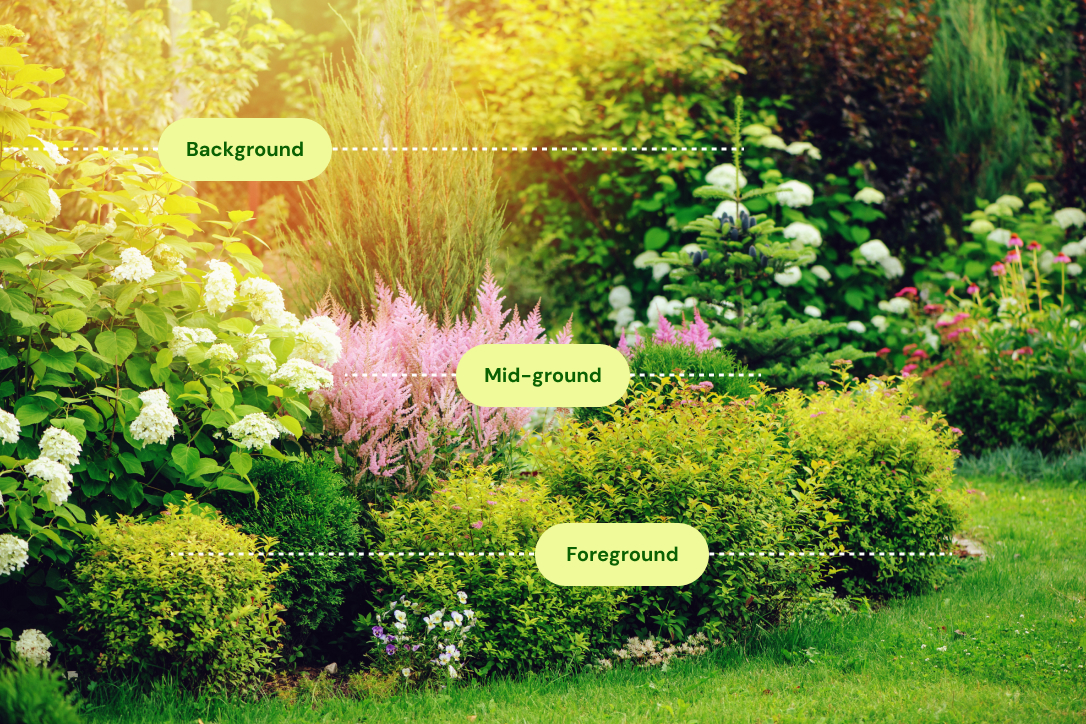
Professional landscapers think about a garden design in this way. Layering means arranging plants by height — tallest in the back, medium in the middle, shortest along the edges — so every plant is visible and the bed has depth.
It sounds simple because it is. But most people skip it, and it shows.
A layered bed gives buyers something to look at from multiple angles. It photographs well. And it makes the whole landscape feel considered, like someone actually planned it.
You don't need a lot of plants to pull this off. Even a simple combination: one ornamental tree, a grouping of shrubs, and a band of annuals at the front creates a finished look.
Tip from the experts: If you're working with an existing bed that already has plants, don't rip everything out. Assess what you have, identify what layer is missing, and fill in the gaps.
More color is not always better. A bed with ten different flower colors in it can look chaotic in person and muddy in listing photos. A restrained palette of two or three colors that work together will look best.
Pick your palette before you shop. It's much easier to stick to it when you walk in knowing what you're looking for rather than grabbing whatever looks good at the moment.
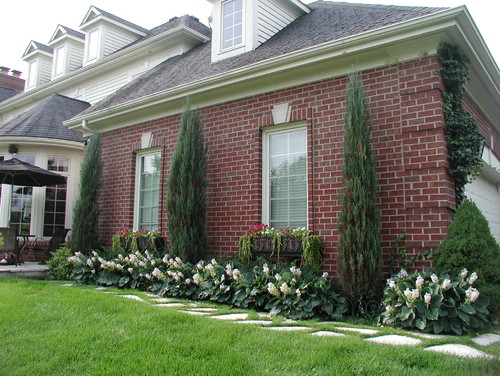
Tip from the experts: Your home's exterior color should inform your plant palette. Pink and purple flowers disappear against a red brick house. White and yellow pop against it. Think about the whole picture, not just the bed in isolation.
Northwest Arkansas’s USDA zone, 7a, can experience temperature extremes on both ends of the spectrum, so what you plant to improve curb appeal needs to be capable of withstanding temperature variances regardless of when your house goes on the market.
These plants also need to be tough when it comes to less frequent watering schedules, since you will likely be busy with other tasks related to selling your home. Look for plant tags that specify “drought-tolerant” or “heat tolerant” when you're at the garden center.

Yes, they cost more than a flat of petunias. But trees and shrubs create big impact in your yard.
Think of them as the architecture of your garden. A well-placed ornamental tree or a few flowering shrubs give the whole space structure — something for the eye to land on. Without them, even a bed full of colorful annuals can feel a little unfinished.
Plus, you don't need to plant them years in advance and wait. A single flowering tree or a grouping of shrubs adds immediate visual weight and maturity to a landscape. Plant them toward the back of a bed and layer shorter plants in front, and suddenly your yard looks like a professional designed it.
Trees:
Shrubs:
Tip from the experts: When planting for a home sale, stick to species that look good in multiple seasons, not just the current one. We hope you sell your home quickly, but you never know, so buyers may be walking through your yard in all kinds of weather.
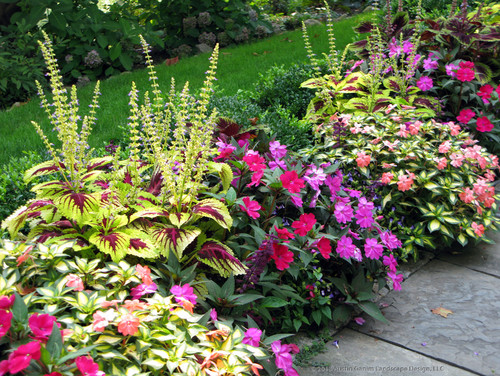
Annuals are the quickest way to make a yard look cared-for. They're affordable, full of color, and they work fast. A few well-placed pops of color can add instant curb appeal.
But, you need them to keep looking good with minimal fuss. If you're prepping a home for sale, you're busy. You don't have time to water every day or replace plants that fizzle out in the heat. That's where drought-tolerant varieties earn their keep.
Plant them in the front of your beds, in containers by the front door, or anywhere a buyer's eye is going to land first.
Sun:
Shade:
Tip from the experts: Plant in odd-numbered groupings of the same variety rather than mixing a little of everything. Three or five of the same plant reads as intentional and designed. A mix of one of everything can look chaotic.
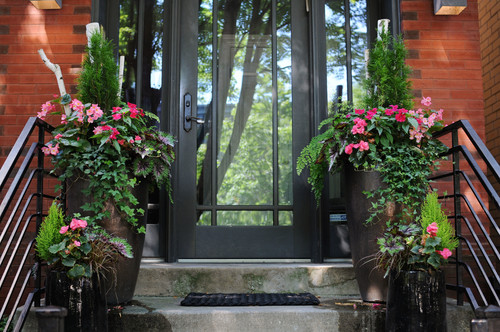
Containers are one of the fastest, most flexible tools you have in a home-sale landscape. No digging, no bed prep, no commitment. You can move them around until they're exactly where you want them, and swap them out if something isn't working.
They're especially valuable at the front entry: flanking the front door, lining the porch steps, or anchoring a blank stretch of walkway. That's the first thing buyers see up close, and a pair of well-planted containers makes an immediate good impression.
Tip from the experts: If you're short on time, we have pre-planted patio pots ready to go. A very no-brainer option.
Ready to get digging? A visit to one of Westwood Gardens’ four locations is in order. Instead of wondering if the big-box-store plants you’ve been eyeing are right for your garden, you can plant with confidence as Westwood Grown products have already been acclimated to our hardiness zone.
Plus, you have another advantage when coming to Westwood Gardens that big-box stores are lacking: information. The friendly and knowledgeable staff at stores are experts on what grows best locally, and are ready to give insightful advice on your unique planting needs when you visit.
Good luck in the garden!