
We will be closed Saturday (1/24) - Monday (1/26) due to inclement weather.
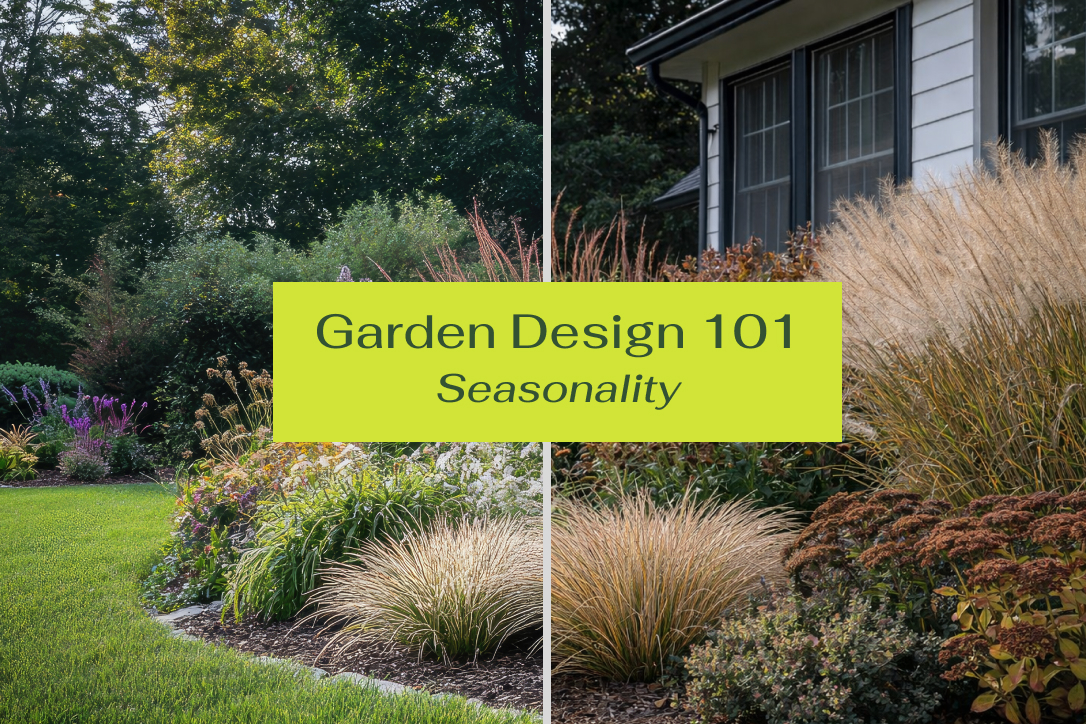
This is part two of our Garden Design 101 Series, designed to help Northwest Arkansas gardeners plan with intention and build their best gardens yet.
Spring is what gets us outside. It’s colorful, hopeful, and full of promise. (And when we buy the most plants.) But if a garden is designed only for spring, it rarely holds together for long—especially here in Northwest Arkansas, where we certainly have 4 seasons.
Seasonality is about planning for bloom and structure across the entire growing season. It’s not about having something flashy all the time. It’s about having the right plants carry the garden at the right moments.
Below is how we think about seasonality—and some of our favorite, proven plants to do the job.
Before we talk bloom, let’s talk structure. These are the plants that make a garden feel full even when nothing is flowering.
In sun, ornamental grasses and shrubs do a lot of heavy lifting. Switchgrass, little bluestem, and feather reed grass give height, movement, and winter presence. Shrubs like boxwood, inkberry holly, and spirea provide reliable form and help beds feel grounded year-round.
In shade, structure often comes from foliage rather than flowers. Hydrangeas (especially oakleaf), evergreen hollies, and shade-tolerant grasses like sedge create a framework that carries the garden through quiet seasons.
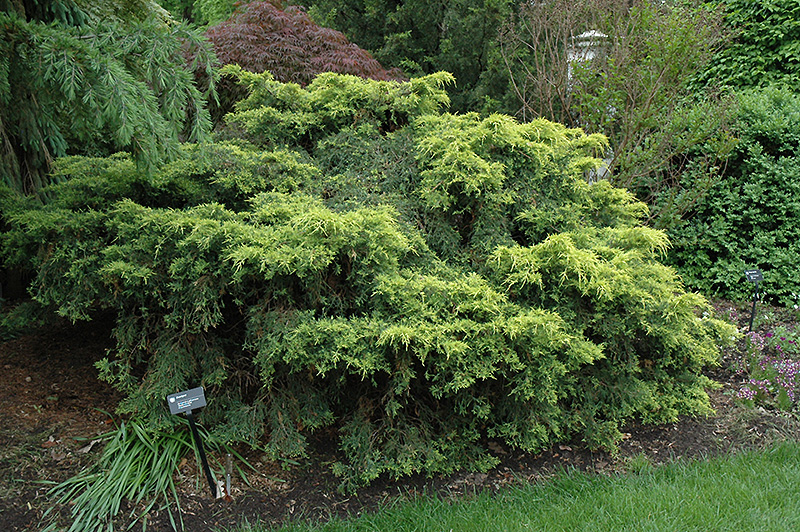
Saybrook Gold Juniper (Photo from PlantFinder)
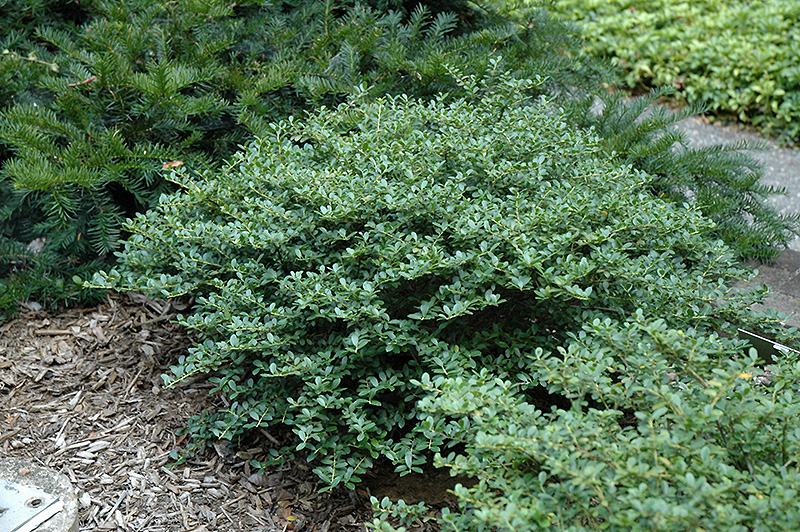
Helleri Japanese Holly (Photo from PlantFinder)
Choose a few of these to place in your garden. Most of these are mid-sized or tall, so be sure to plant these toward the back of your garden (more on depth planting in our first article). Once the backbone is in place, everything else becomes easier to fill in from there.
Spring is such an exciting time in the garden. With the first blooms peeking out, having some early bloomers throughout your garden is super satisfying.
In sun, dianthus, creeping phlox, and early-blooming salvia bring color without taking over. Peonies and catmint add presence early and transition beautifully into summer.
You can get some color in shade, too. Hellebores lead the way with late-winter to early-spring blooms. Heuchera adds rich foliage color right out of the gate, and dicentra puts out their unique heart-shaped blooms.
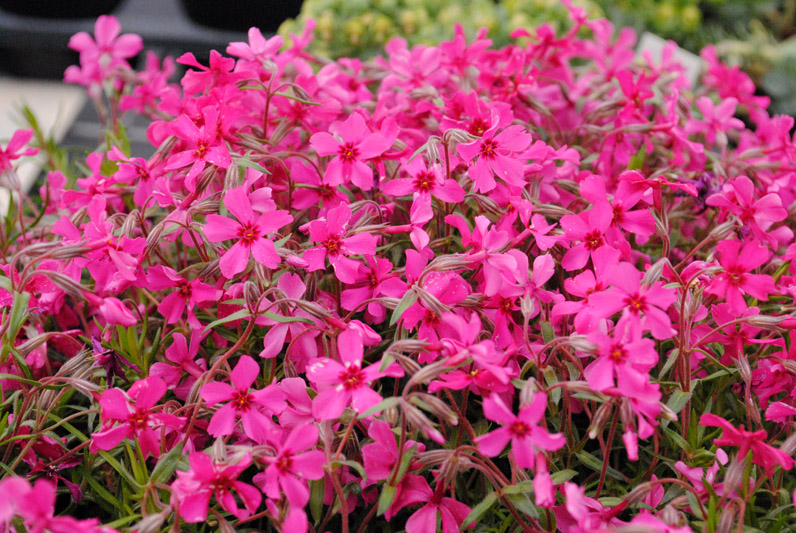
Creeping Phlox
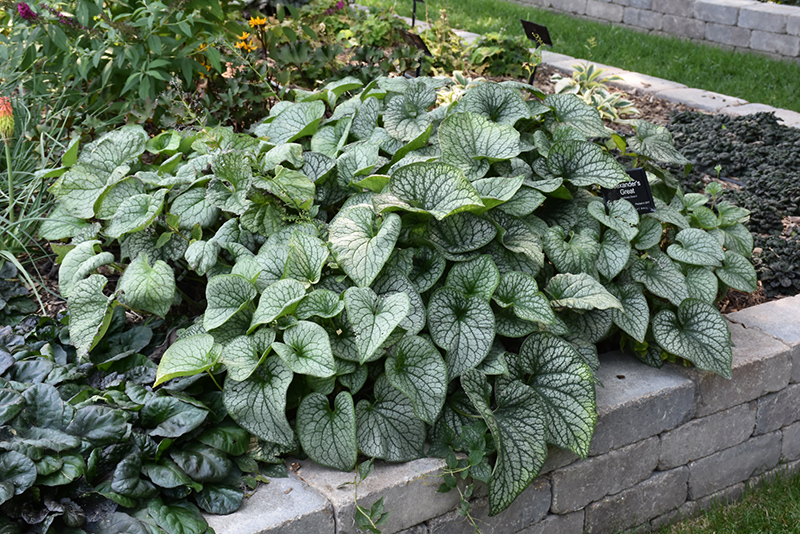
Brunnera (Photo from PlantFinder)
Summer is where gardens are tested in NWA. Heat, humidity, and pop-up storms mean plants need to earn their place.
In sun, we rely on tough, reliable perennials that don’t melt by July. Coneflower, black-eyed Susan, yarrow, and ornamental grasses hold strong through heat and still look good doing it. This is also where repetition matters—mass these plants and let them carry the bed.
In shade, summer interest comes more from texture and foliage than constant bloom. Hostas, ferns, and astilbe provide fullness and calm when sun gardens are at their loudest. Hydrangeas can provide bloom and color here.
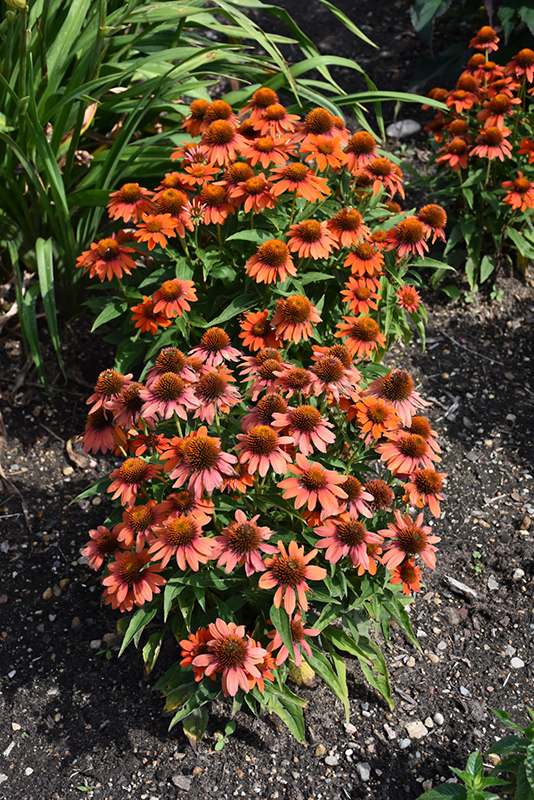
Sombrero® Adobe Orange Coneflower (Photo from PlantFinder)
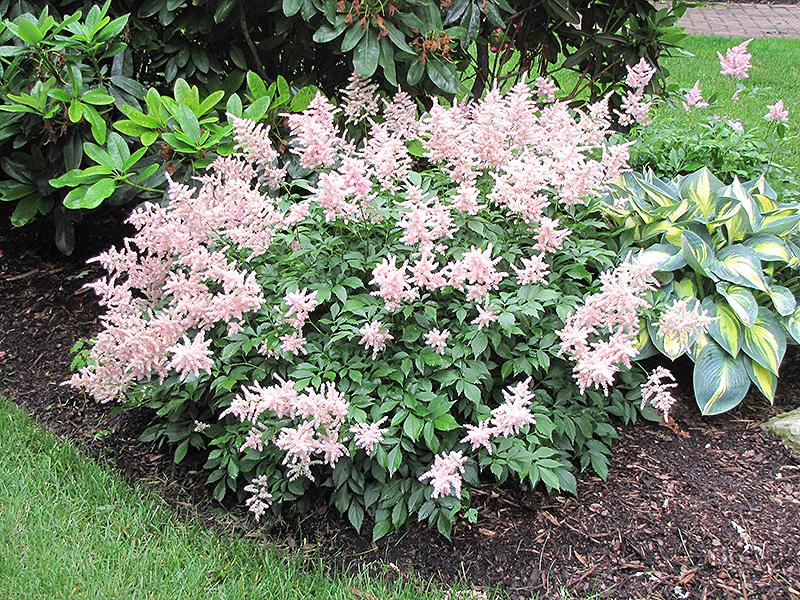
Peach Blossom Astilbe (Photo from PlantFinder)
Fall is where good planning really shows. Fall doesn’t need to be bright to be beautiful. Texture, form, and softness are what you should try to achieve in your plantings for this season.
In sun, grasses take center stage. Switchgrass, little bluestem, and muhly grass add movement and warm tones that glow in lower light. Sedum and asters bring late-season blooms.
In shade, fall interest is subtler but no less important. Oakleaf hydrangeas offer beautiful foliage color, while ferns and evergreen groundcovers maintain structure as other plants fade.
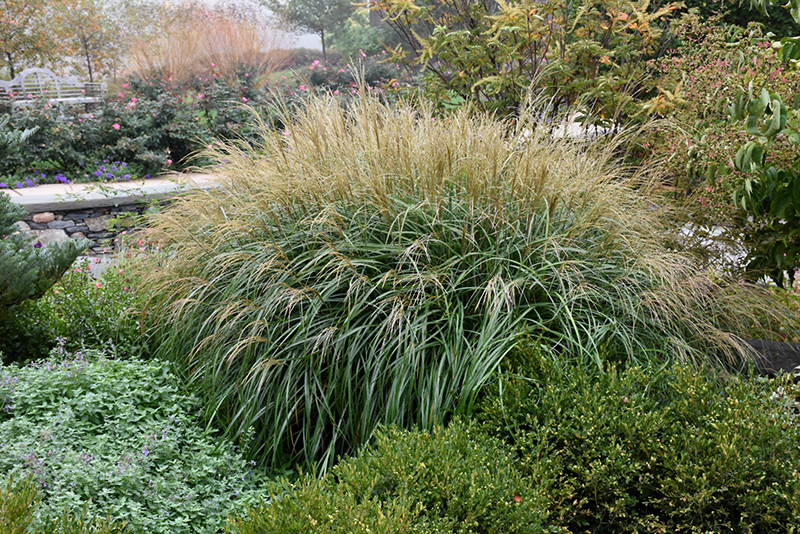
Adagio Maiden Grass (Photo from PlantFinder)
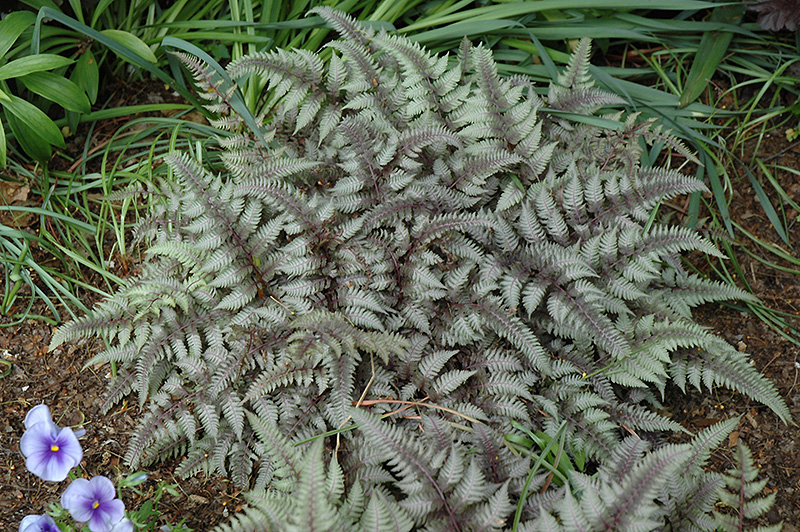
Burgundy Lace Painted Fern (Photo from PlantFinder)
The same garden can (and should) look totally different through the year. A well-designed garden doesn’t have every plant shining at once. Instead, it allows different plants to step forward as the seasons change.
Spring bloomers fade just as summer plants fill in. Summer perennials quiet down as grasses and fall texture take over. And when winter arrives, the backbone remains—proof the garden was designed with intention.
If every plant is trying to be the star, the garden feels exhausting. Rotation creates rhythm.
Annual plants are where you can lean into big, expressive seasonal color, especially through spring and summer. They fill gaps while perennials are establishing, brighten containers and bed edges, and give you the freedom to play with color without long-term commitment.
In spring, annuals can provide instant impact while the rest of the garden wakes up. In summer, they extend color through the heat when some perennials slow down. And when fall arrives, it’s okay to let them fade (with the exception of a few cool season annuals like pansies). By then, your backbone plants should already be doing the work.
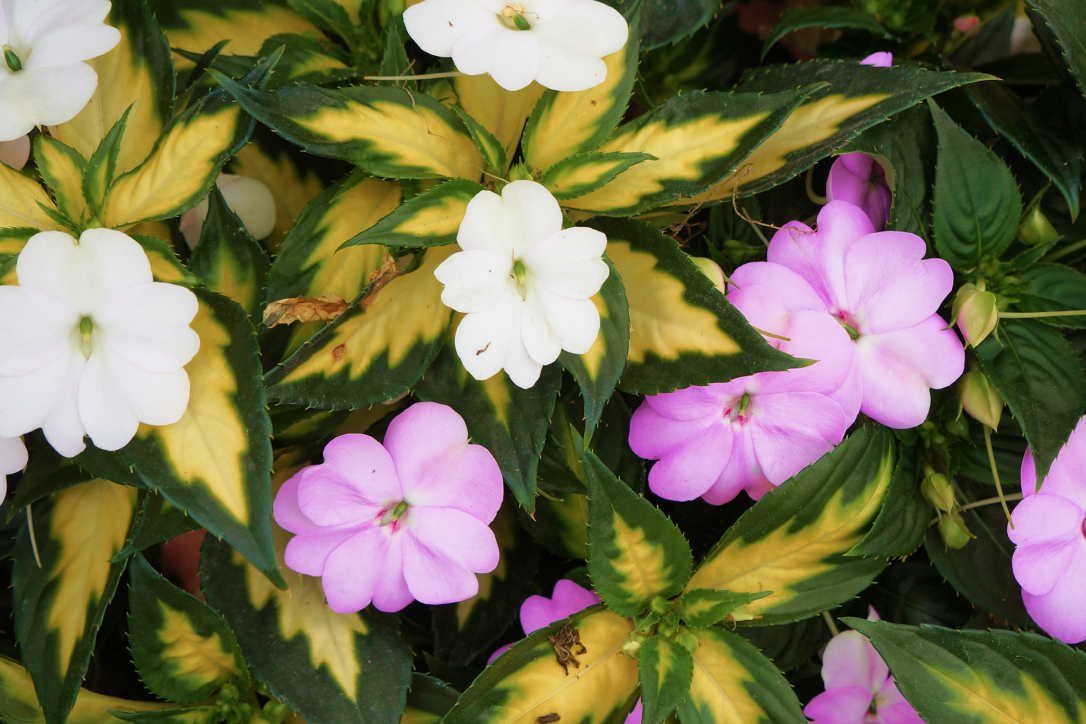
Sunpatiens
Okay, maybe this seems biased, but it’s true! The best way to fill in your garden with seasonal plants is to visit the garden center multiple times each season. What we have out in early Spring is different from what we’ll have in late summer.
If you find you are missing a particular season, make an intentional effort to stop by your local garden center during that time. You’ll see inspiration out on display.
Seasonality isn’t about constant bloom. It’s about designing a garden that feels complete even when it’s quiet.
Backbone plants create stability. Perennials add personality. Seasonal rotation keeps the garden moving forward instead of burning out early.

