
We will be closed Saturday (1/24) - Monday (1/26) due to inclement weather.
Every gardener has had that moment. You plant something, life gets busy, the summer sun blazes, and by August you're staring at a crispy patch of dirt wondering what went wrong.
Some plants are built for exactly that kind of summer. Drought-tolerant perennials have evolved to thrive in heat, handle lean soils, and come back year after year — all without demanding constant attention from you. Better yet, they don't look like they're roughing it. These plants put on a real show.
Here are six of our favorites to plant in Northwest Arkansas.
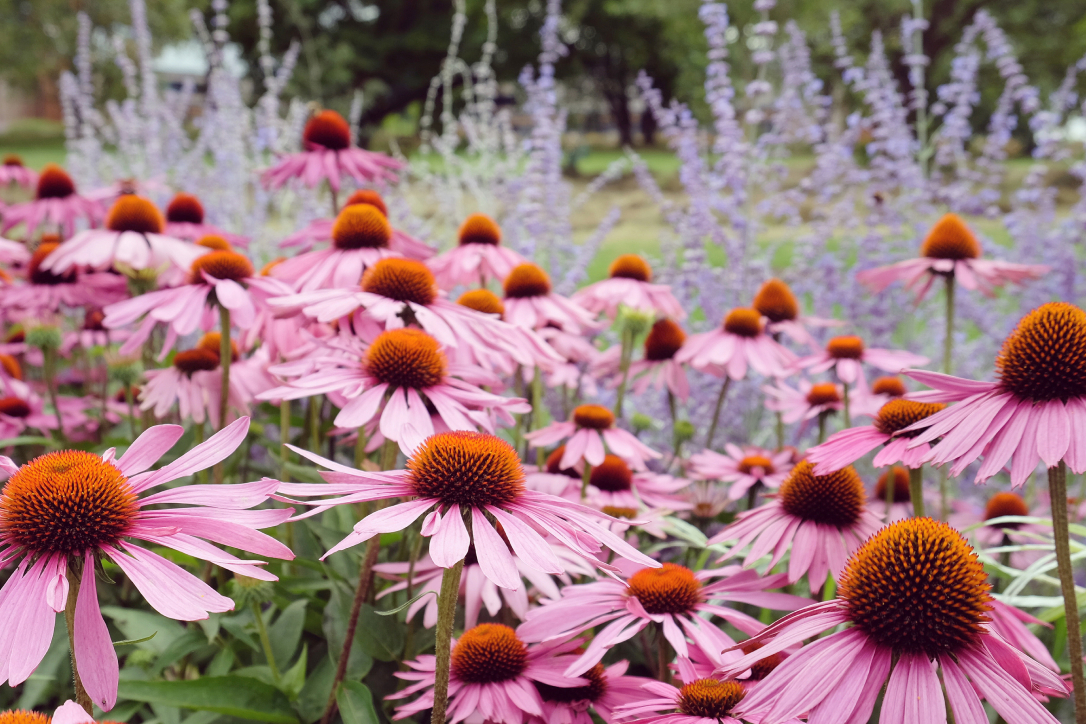
If you only plant one drought-tolerant perennial, make it coneflower. Echinacea is practically bulletproof in NWA. It blooms reliably from midsummer well into fall, handles full sun without complaint, and bounces back late spring like nothing happened.
The classic is the bold magenta-pink cone shape you see everywhere, but the variety world has exploded in recent years. You can now find coneflowers in warm oranges, pale creamy whites, deep reds, and even double-petaled forms that look more like dahlias than wildflowers. Whatever your color palette, there's a coneflower for it.
Tip from the experts: Leave the seed heads standing through winter. They're striking against frost and attract goldfinches that will feed on them for months.
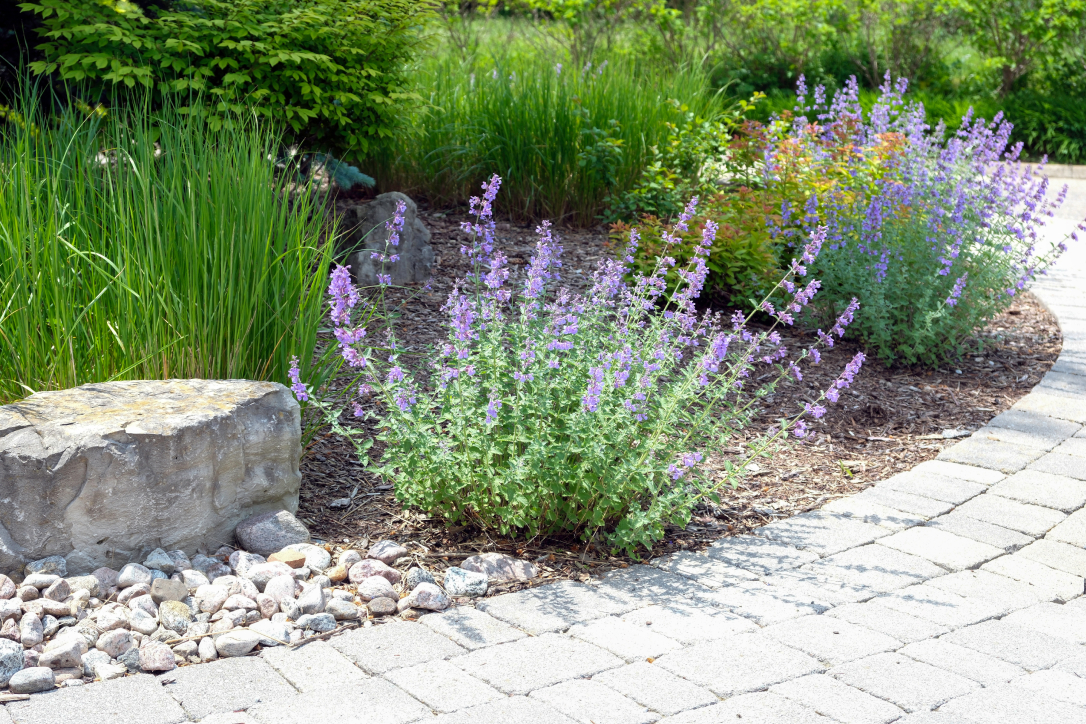
Catmint is one of those plants that earns its place by being effortlessly useful. It’s grown in popularity over the last few years, and for good reason. It's a low, mounding grower with soft gray-green foliage and a long flush of lavender-blue blooms in late spring. Shear it back by about a third after that first bloom, and it'll rebound with a second show in late summer.
It plays well with just about any color, and asks almost nothing from you in return. It's also a magnet for bees and butterflies.
Tip from the experts: Despite the name, most catmint varieties aren't nearly as attractive to cats as true catnip.
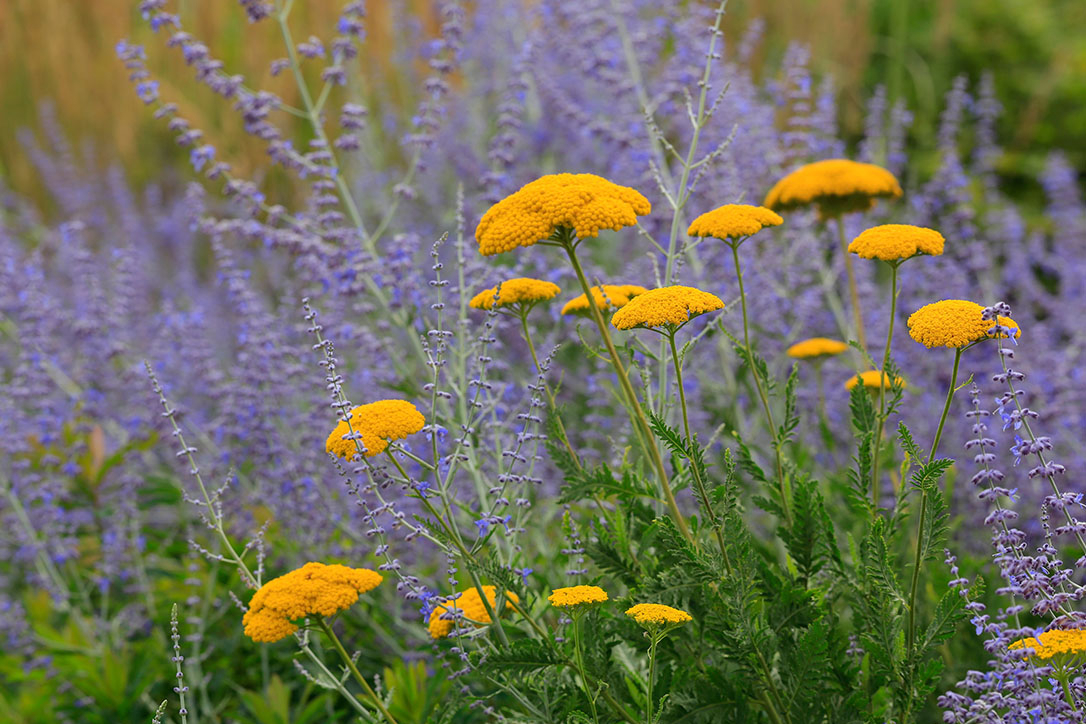
Yarrow has been growing wild on roadsides and meadows around here forever, which tells you everything you need to know about its toughness. The flat-topped flower clusters come in yellows, whites, reds, and peachy pinks, and they bloom from late spring through most of summer if you deadhead regularly.
It thrives in poor, dry soils — actually prefers them. Rich, over-amended soil tends to make it floppy. Plant it somewhere the heat beats down and other plants struggle, and yarrow will be perfectly happy.
Tip from the experts: Yarrow makes an excellent cut flower and dries beautifully for arrangements. Cut stems just before the blooms fully open for the best results.
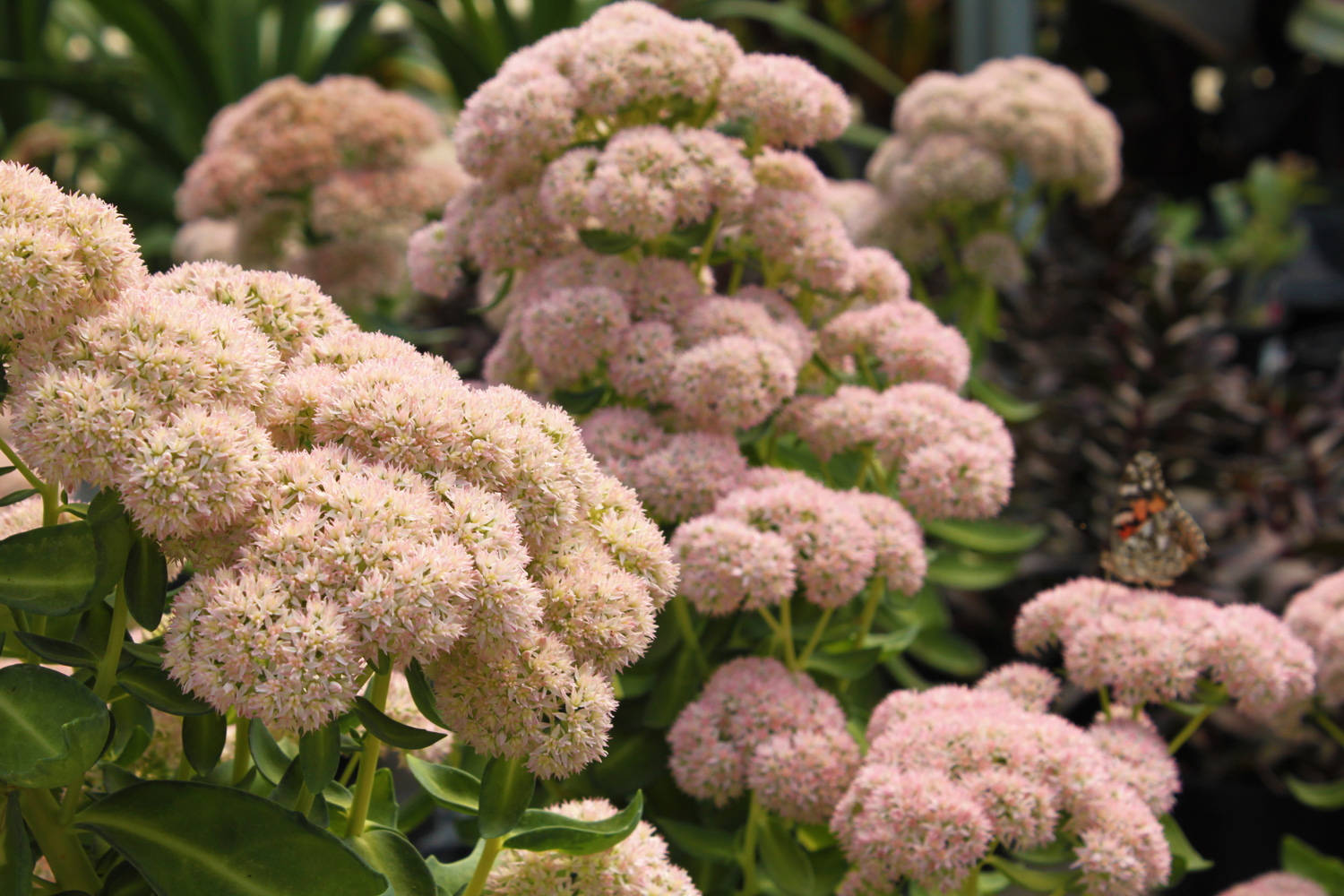
Few plants earn their keep in every season quite like sedum. The upright varieties — think 'Autumn Joy' — start spring as tight, architectural rosettes, develop flat-topped flower heads through summer, and then turn deep rose to rust as temperatures drop in fall. The dried seed heads look incredible standing in a winter garden.
Ground-cover sedums are equally useful: low, spreading, and almost impossible to kill. Both types root deeply and store water in their thick, succulent leaves, which is exactly what makes them so drought-tolerant.
Tip from the experts: Upright sedums can flop open in the middle as they mature. Cut them back by about a third in late May to encourage a more compact, sturdy plant if yours tend to flop.
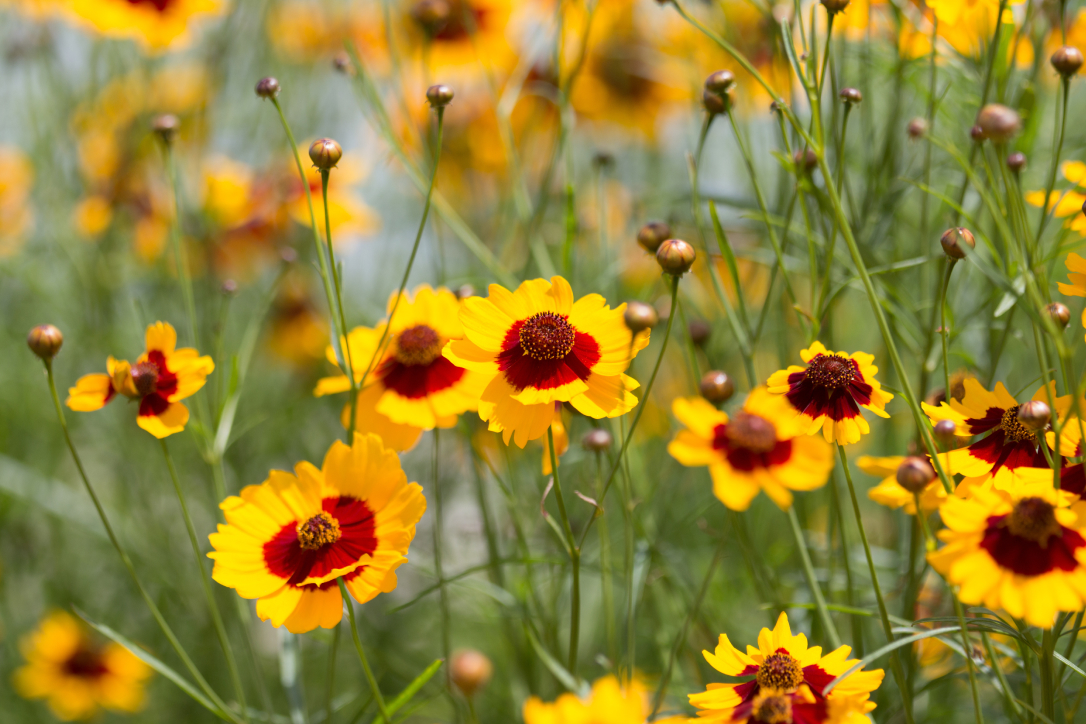
If you want nonstop color from early summer through fall, coreopsis is hard to beat. It's one of the longest-blooming perennials you can grow in NWA, producing cheerful yellow, gold, or pink daisy-like flowers for months on end with minimal deadheading required.
It's also a native to the southeastern U.S., which means it's naturally adapted to our climate and soils. Plant it in full sun, give it decent drainage, and step back. It handles summer heat better than almost anything in the garden.
Tip from the experts: Give coreopsis a light shearing in midsummer if bloom starts to slow. It'll push a fresh flush of color right through fall.
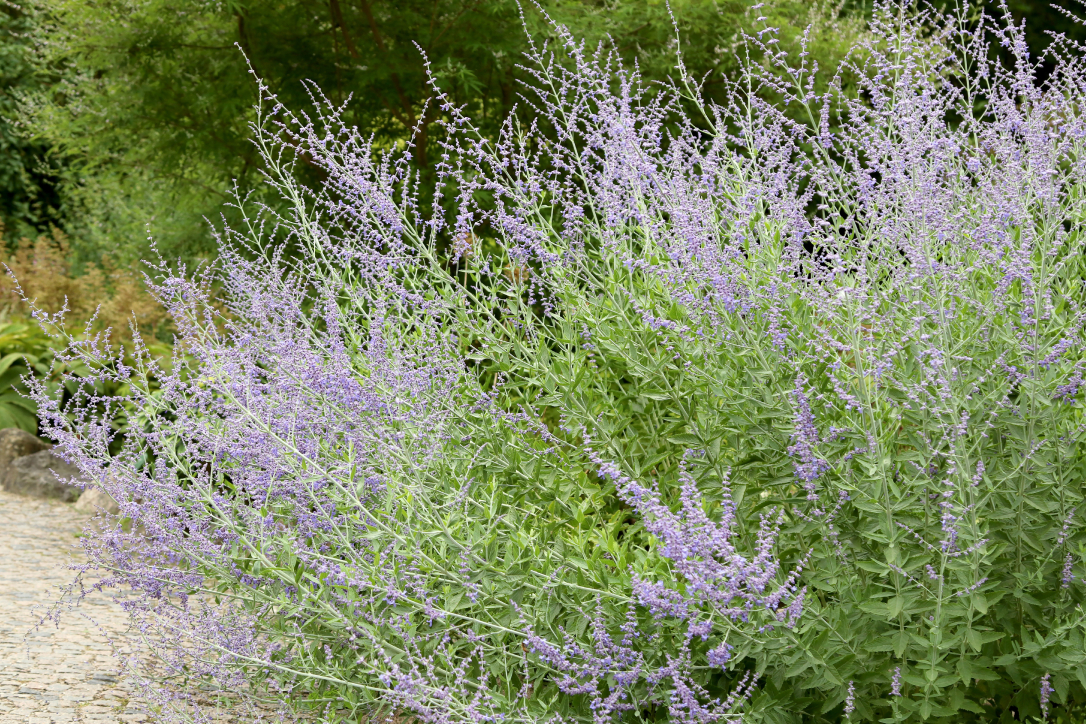
Russian sage is one of the most underused plant in our opinion. It grows into a tall, airy cloud of silvery stems and tiny violet-blue flowers that bloom from midsummer well into fall. In a perennial border, nothing catches the late afternoon light quite like it.
It's incredibly drought tolerant once established, loves the heat, and pairs beautifully with just about everything — especially warm-colored flowers like coneflower and black-eyed Susan, where that cool blue acts as a natural foil.
Tip from the experts: Russian sage blooms on new wood. Cut it back hard in early spring (down to about 6 inches) and it'll come back full and vigorous every year.
Drought-tolerant perennials aren't a compromise. They're some of the most beautiful, lowest-maintenance plants you can put in the ground — and once they're established, they need very little care. Plant them this season and they'll reward you for years to come.
Keep in mind, even though they are drought tolerant, they still need water…especially as they get established. (Just like any other plant.)
Stop by any of our four NWA locations and our team can help you find the right varieties for your specific spots. We carry a wide selection of perennials locally grown and ready for our hot summers.

