
We will be closed Saturday (1/24) - Monday (1/26) due to inclement weather.
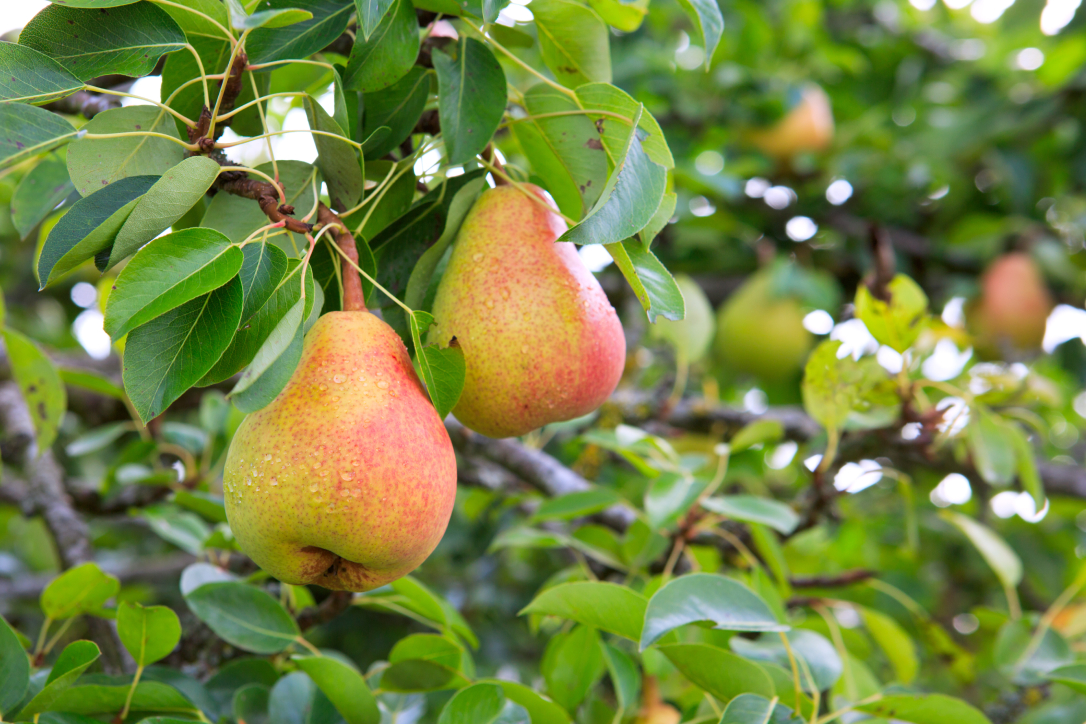
There's something deeply satisfying about walking out to your own backyard and picking fruit for breakfast. No grocery store, no wax coating, no mystery about when it was picked. Just you, a tree you planted, and fruit that actually tastes like something.
The good news for Northwest Arkansas gardeners: we live in one of the better climates in the country for growing fruit trees. Zone 7a gives us cold enough winters to satisfy the "chill hours" most fruit trees need to produce, and long enough summers to ripen a real harvest. Apples, peaches, pears, figs, cherries, plums, nectarines, persimmons — most of them genuinely thrive here with the right variety and a little know-how.
Here's what we've learned about getting it right.
This is the single most important decision you'll make, and it's one a lot of first-time fruit tree growers skip over. Not every apple or peach is built for Northwest Arkansas. Some need more winter chill than we reliably get. Others are beautiful but disease-prone in our humid summers.
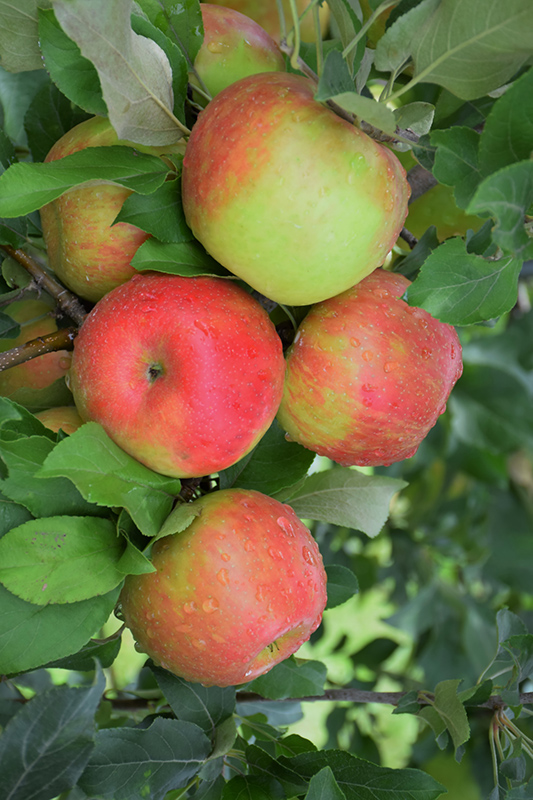
Apples are among the most rewarding trees to grow here, and we carry an impressive range from classics like Honeycrisp, Fuji, and Gala to Arkansas Black, a variety first discovered right here in Benton County. Arkansas Black has thick skin that helps it resist the disease pressure that plagues other varieties, and it develops a remarkable sweetness (with hints of cinnamon and vanilla) after a few weeks in cold storage. If you want a conversation piece and a great eating apple, it's hard to beat something grown from Arkansas roots.
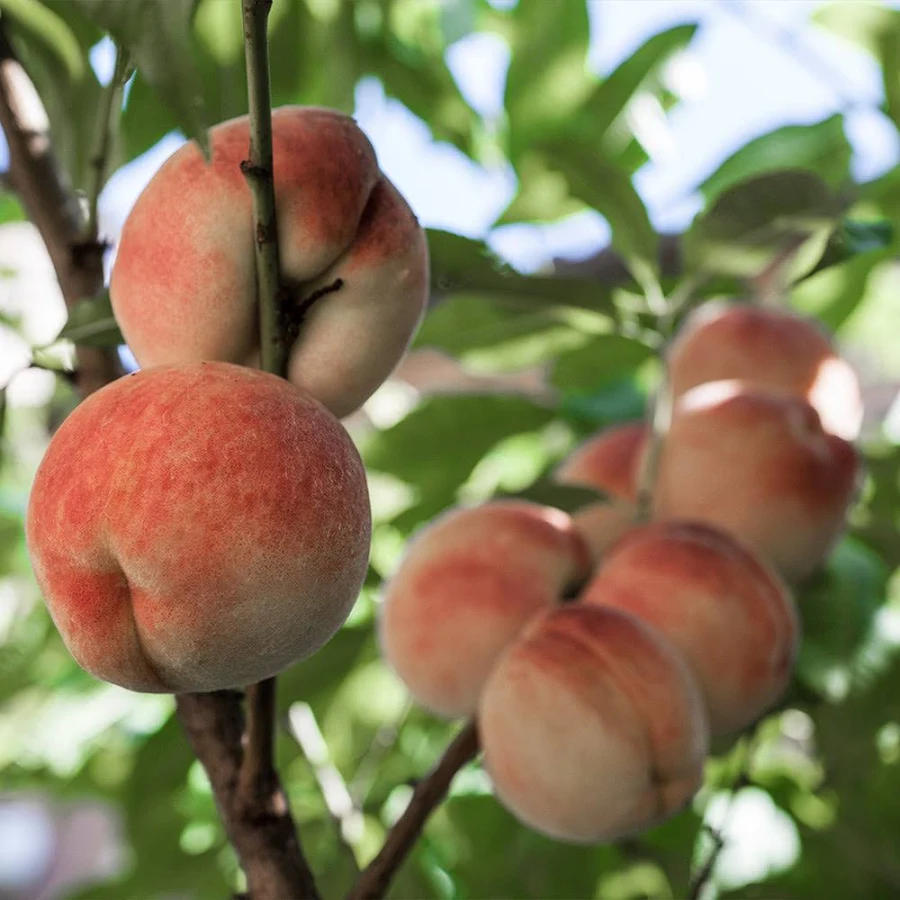
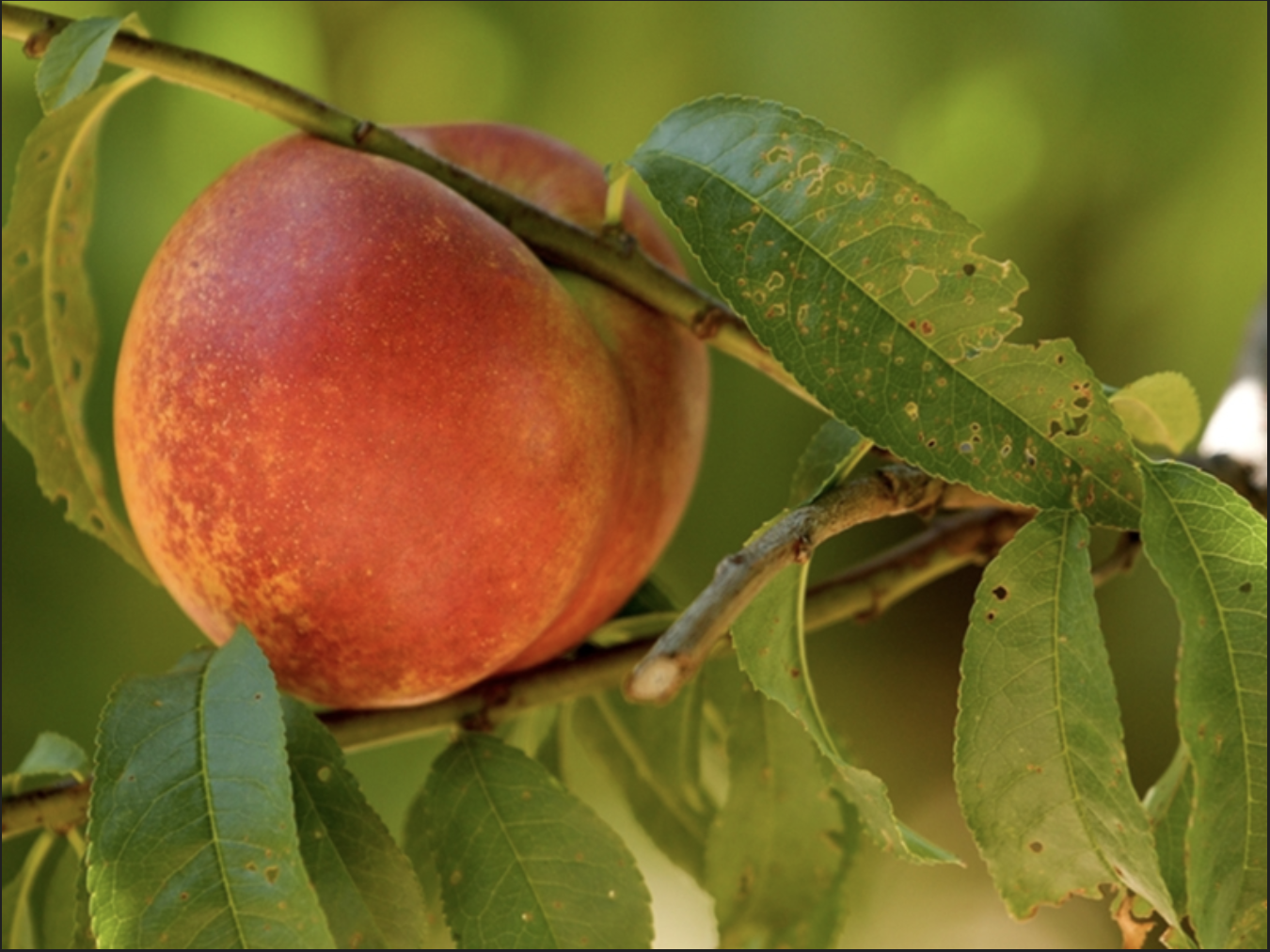
Peaches and nectarines are absolutely doable here, but they require more attention than apples or pears. Our humidity creates conditions where disease pressure is real, especially on stone fruits. Varieties like Belle of Georgia, Contender, Elberta, and Reliance are proven performers in Arkansas. The newer white peach varieties like White Diamond and White Lady are worth trying if you want something a little more unusual. Go in knowing that peaches are the most high-maintenance fruit tree on this list, but the payoff of a warm, sun-ripened peach in July makes it worth it.
Pears are arguably the most forgiving fruit tree for our region. European pears like Moonglow, Bartlett, Kieffer, and Ayers handle our summers well and tend to be less disease-prone than apples. Asian pears (we carry 20th Century, Shinko, and Shinseiki) have a crisper texture and are genuinely easy to grow here. If you're new to fruit trees, a pear is a great place to start.
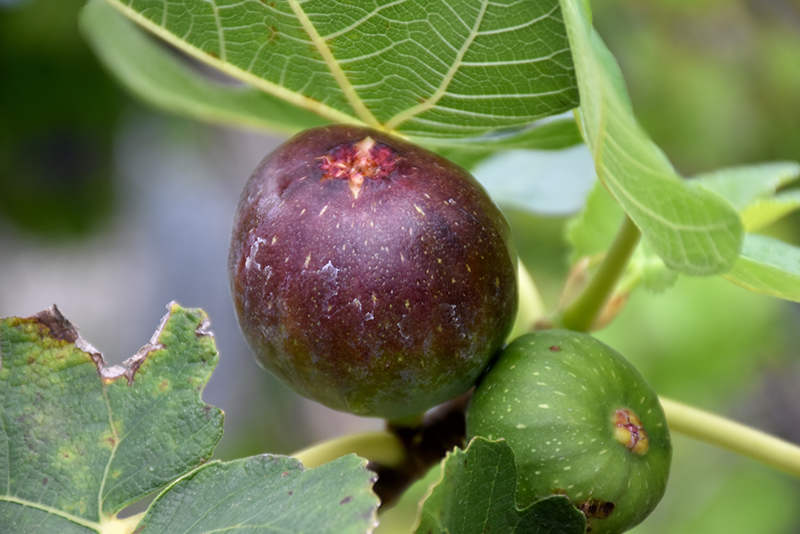
Figs are having a moment right now, and for good reason. They're nearly effortless in our climate, require no pollinator, and produce reliably once established. Brown Turkey, Celeste, Chicago Hardy, and Black Mission are all worth growing. One caveat: plant them in a protected spot near a south-facing wall if possible, and be aware that a hard winter can die back the top growth. Most established figs push back from the roots in spring, so don't write them off too quickly.
Cherries, plums, and more. We carry a deep selection of cherries (Bing, Rainier, Montmorency, Stella, and several others) and plums (Methley, Bruce, Santa Rosa, and more). Cherries can be finicky in our climate because they want well-drained soil and don't love the late-spring cold snaps we occasionally get. Plums, on the other hand, are among the easiest fruit trees to grow in Arkansas and reward you with an early summer harvest you can eat fresh or put up as jam.
This trips people up more than almost anything else. Some fruit trees are self-pollinating, meaning one tree will produce fruit on its own. Others need a second tree nearby to cross-pollinate and set fruit.
As a general rule, most peaches, figs, and some plums are self-fertile. Apples, pears, and most cherries need a second compatible variety nearby to produce well. When in doubt, ask us. It's an easy question with a specific answer for each variety, and getting it wrong means a tree that blooms beautifully and produces almost nothing.
If space is a real concern, consider one of our multi-graft trees. We carry 3-in-1 and 4-in-1 apple trees, as well as a 4-in-1 cherry, where multiple compatible varieties are grafted onto a single rootstock. One tree, built-in pollination, extended harvest window. They're a smart choice for smaller yards.
Fruit trees aren't complicated to plant, but a few things matter a lot.
Sun is non-negotiable. Six to eight hours of full sun per day is the minimum. Less than that, and you'll get a lot of growth and very little fruit.
Drainage matters just as much. Most fruit trees will struggle or fail in soil that stays wet. If your site holds water after rain, amend heavily with compost or build up the planting area before you plant. Our NWA clay soils can be dense, so loosening a wide planting area (not just the hole) makes a real difference.
Plant at the right depth. The graft union is that slight bump or angle near the base of the trunk, and it should sit just above the soil line. Bury it, and you risk losing the dwarfing or disease-resistant benefits of the rootstock.
Spring is prime planting time. You want roots establishing before summer heat arrives. Get your tree in the ground as soon as the soil can be worked, water it in well, and mulch around the base (keeping mulch a few inches away from the trunk) to hold moisture and moderate soil temperature.
Here's something that surprises a lot of new fruit tree growers: the first year is mostly about the roots, not the fruit. Your tree is getting established. Don't panic if it puts on modest top growth. Water consistently through dry spells, and resist the urge to over-fertilize. Too much nitrogen early on pushes leafy growth at the expense of root development.
Pruning is its own topic, and an important one. Properly trained young trees produce more fruit and are easier to manage for the life of the tree. The University of Arkansas Cooperative Extension has excellent resources on fruit tree training and pruning specific to our region, and we're happy to walk you through the basics when you stop in.
Disease management is part of the picture too, especially for stone fruits. Organic options like copper fungicide and neem oil can reduce disease pressure significantly. Conventional fruit tree spray programs are also available and effective. We carry both, and our team can point you toward the right choice for what you're growing.
You don't have to plant an orchard to enjoy homegrown fruit. A single well-chosen tree, whether it's a fig in a sunny corner, a pear along the back fence, or a multi-graft apple in a spot that gets good sun, is enough to give you more fruit than you expected and more satisfaction than you anticipated.
Start with one or two trees, get them established, and see how it goes. Most gardeners who plant their first fruit tree end up wanting more.
We have the largest fruit tree selections in NWA (in stock right now at our Springdale location) including apples, pears, peaches, cherries, plums, nectarines, figs, persimmons, and pecans. Stop in and we'll help you find the right fit for your space.

